
Tanzania offers some of the best wildlife viewing on earth, from the endless plains of the Serengeti to the massive Ngorongoro Crater. However, planning your first trip can feel overwhelming.
This simple guide breaks down the planning process into 5 straightforward steps.
Step 1: Choose Where to Go
Tanzania is huge, so parks are grouped into “circuits.” For your first time, stick to the Northern Circuit. It is easy to navigate and guarantees classic wildlife views.
- Serengeti National Park: Home of the famous Great Wildebeest Migration.
- Ngorongoro Crater: A volcanic bowl packed with 30,000 animals, offering your best chance to see rhinos.
- Tarangire National Park: Famous for massive elephant herds and giant baobab trees.
- Lake Manyara: Known for flamingos and unique tree-climbing lions.
Step 2: Pick the Right Month
Wildlife moves with the weather. When you travel changes what you will see:
- June to October (Dry Season): Best overall wildlife viewing. Animals crowd around waterholes, and the bush is thin, making them easy to spot.
- January to March (Calving Season): Millions of wildebeest babies are born in the Serengeti, attracting heavy predator action.
- April and May (Long Rains): The landscape is green and beautiful. Lodges offer major discounts, and the parks are uncrowded.
Step 3: Set Your Budget
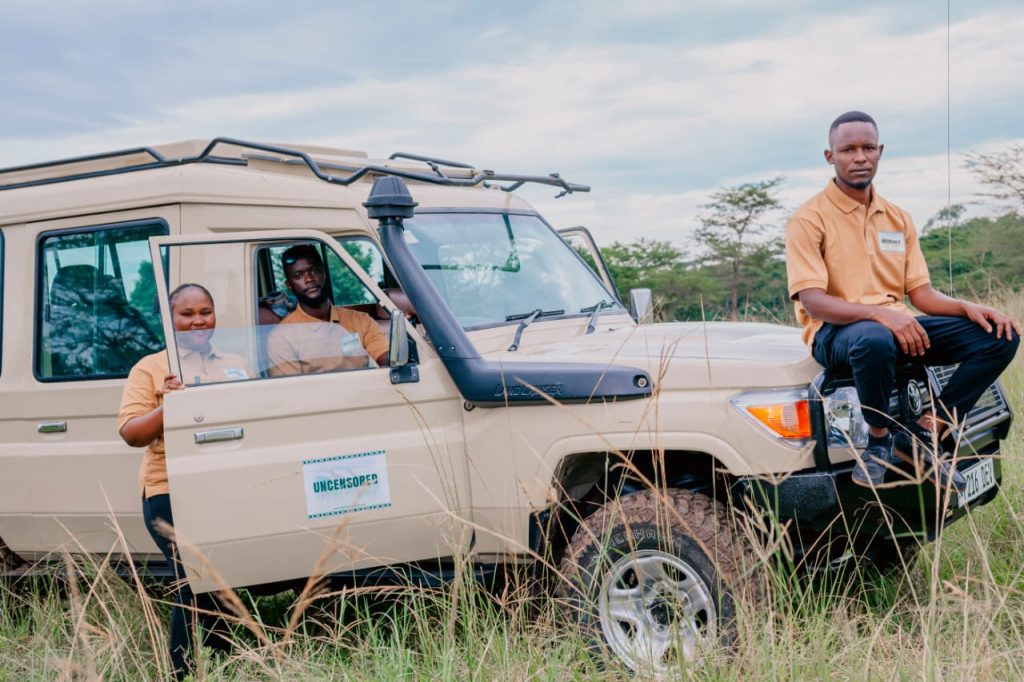
Safaris are premium trips because the costs cover a lot of logistics. Your total price includes daily government park conservation fees, a rugged 4×4 Land Cruiser, and an expert local driver-guide.
You can choose from three main lodging styles to fit your budget:
- Public Camping: Sleeping in ground tents. A private chef travels with you to cook all meals.
- Mid-Range Tented Camps: Permanent canvas tents built on platforms with comfortable beds and attached bathrooms. This is the most popular option.
- Luxury Lodges: High-end, 5-star wilderness resorts with fine dining and private pools.
Step 4: Pack Smart
If you take domestic flights between parks, you must use a soft-sided duffel bag under 15kg (33 lbs). Hard suitcases do not fit in small bush planes.
- What to wear: Pack layers (mornings are freezing, afternoons are hot). Choose neutral colors like khaki, brown, and green.
- What to avoid: Do not wear dark blue or black because they attract biting tsetse flies. Avoid bright neon colors.
- Must-haves: A good pair of binoculars, high-SPF sunscreen, insect repellent, and a phone power bank.
Step 5: Sort the Logistics
- Flights: Book your international flight into Kilimanjaro International Airport (JRO). It sits right at the start of the safari track.
- Visas: Apply for an online e-Visa two weeks before you travel to skip long airport lines.
- Health: Visit a travel clinic to get malaria prevention pills before you arrive.
Ready to Explore?
Contact our team today to get a simple, custom itinerary built just for you!