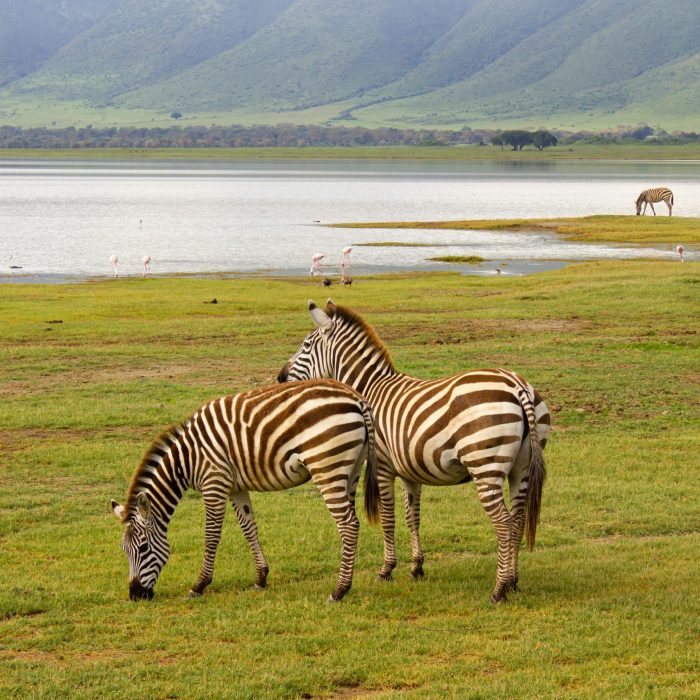

When is the Best Time for a Safari in Tanzania?
Choosing the right time to visit Tanzania is the most important decision you will make when planning your African adventure. Because wildlife movements depend entirely on weather, the time of year you travel dictates exactly what you will see.
The Dry Season vs. The Rainy Season: Pros & Cons
Tanzania’s climate is split into two major periods. Here is the straightforward layout of what makes each season great—and what makes them challenging.
The Long Dry Season (June to October)
Pros:
Unmatched Wildlife Sightings: Vegetation is thin and sparse, making it incredibly easy to spot hidden predators.
Predictable Animal Locations: Animals are forced to gather around permanent waterholes and rivers, concentrating the wildlife action.
Comfortable Weather: Days are sunny and clear with zero rain, meaning smooth road conditions and zero mud.
Fewer Insects: The lack of water means a drastically lower mosquito count and lower malaria risks.
Cons:
Peak Crowds: Major parks like the Ngorongoro Crater and Central Serengeti experience high vehicle traffic.
Premium Pricing: Lodges and tour operators charge peak-season rates.
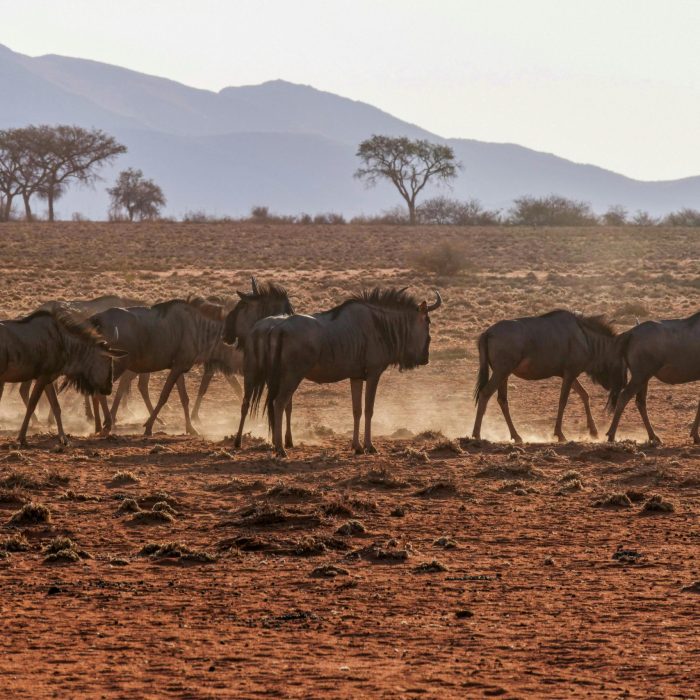
Dusty Conditions: The dry tracks get very dusty during long game drives.
The Rainy Season (November to May)
Pros:
Lower Travel Costs: High-end safari lodges drop their rates by up to 30% to 50%, making luxury safaris budget-friendly.
Crowd-Free Parks: You can enjoy major wildlife sightings in total peace without a dozen other vehicles around.
Stunning Landscapes: The savannah turns into a vibrant, lush emerald-green paradise with dust-free air.
Birthing & Birds: This period features the arrival of thousands of migratory birds and the peak calving season for herbivores.
Cons:
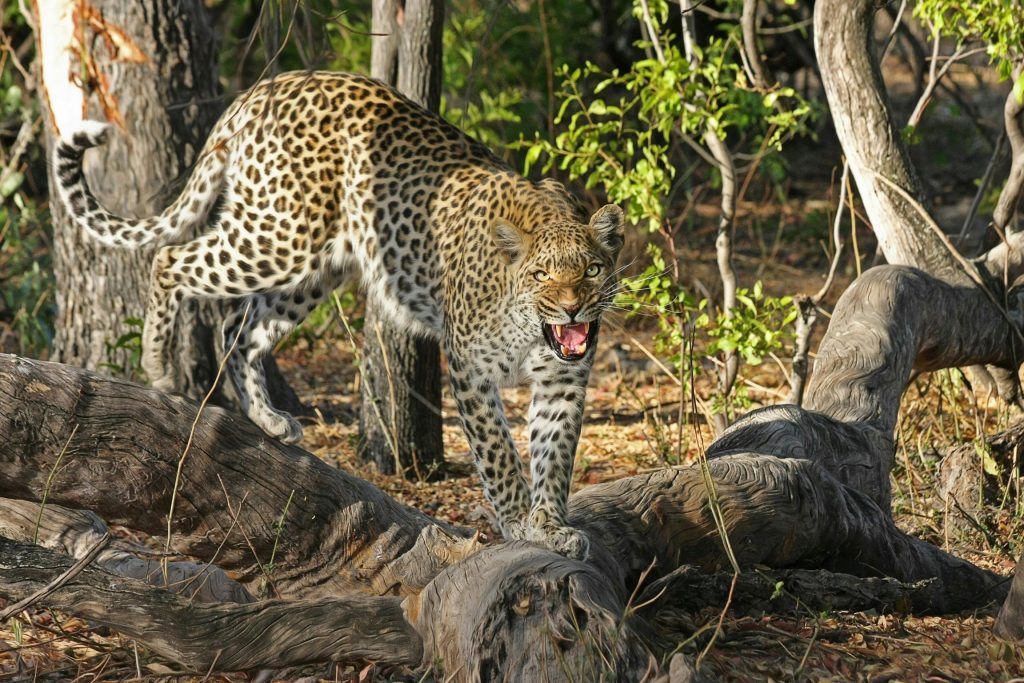
Harder to Spot Game: The grass grows very tall, which gives big cats like lions and leopards excellent camouflage.
Challenging Roads: Heavy rains (especially in April and May) can wash out dirt roads, turn tracks into deep mud, and lead to vehicles getting stuck.
Dispersed Wildlife: Because water is everywhere, animals don’t gather in predictable spots and scatter deep into the bush.
Tracking the Great Migration
The Great Wildebeest Migration is a year-round, circular journey of over two million animals across the Serengeti ecosystem. To see it, you simply need to link the right month to the right location.
January – March (Southern Serengeti & Ndutu):
The Event: The Calving Season. Over 8,000 wildebeest babies are born every single day during the February peak.
The Experience: Massive herds fill the short-grass plains, attracting intense, fast-paced predator encounters from nearby lion prides and cheetahs.
April – May (Central Serengeti / Seronera):
The Event: The Northward Trek. The herds form massive, miles-long columns moving northwest toward fresh green pastures.
June – July (Western Corridor):
The Event: The Grumeti River Crossings. The herds encounter their first major water obstacle, facing giant resident Nile crocodiles.
August – October (Northern Serengeti / Kogatende):
The Event: The Mara River Crossings. The iconic, chaotic spectacle where thousands of wildebeest plunge down steep, dramatic banks into the rushing river. This is the peak-adrenaline window most travelers see on television.
November – December (Eastern Serengeti):
The Event: The Return South. Once the short rains begin, the herds trek quickly back down to the southern plains to prepare for the next birthing cycle.
🚐 Ready to lock in your travel dates?
Tell us what you want to experience most—whether it is the high-stakes river crossings, newborn calves, or quiet emerald landscapes—and our team will place you exactly where the action is!