When is the Best Time for a Safari in Tanzania?
Taking your children on a safari is one of the most enriching educational gifts you can give them. Witnessing a wild elephant herd or a pride of lions up close beats any classroom lesson.
However, the African bush is a wild, untamed environment. Ensuring your family adventure stays safe, smooth, and stress-free requires specialized planning and strict guidelines.
This detailed guide breaks down every safety aspect of a family safari—from medical steps to vehicle behavior and lodge selection.
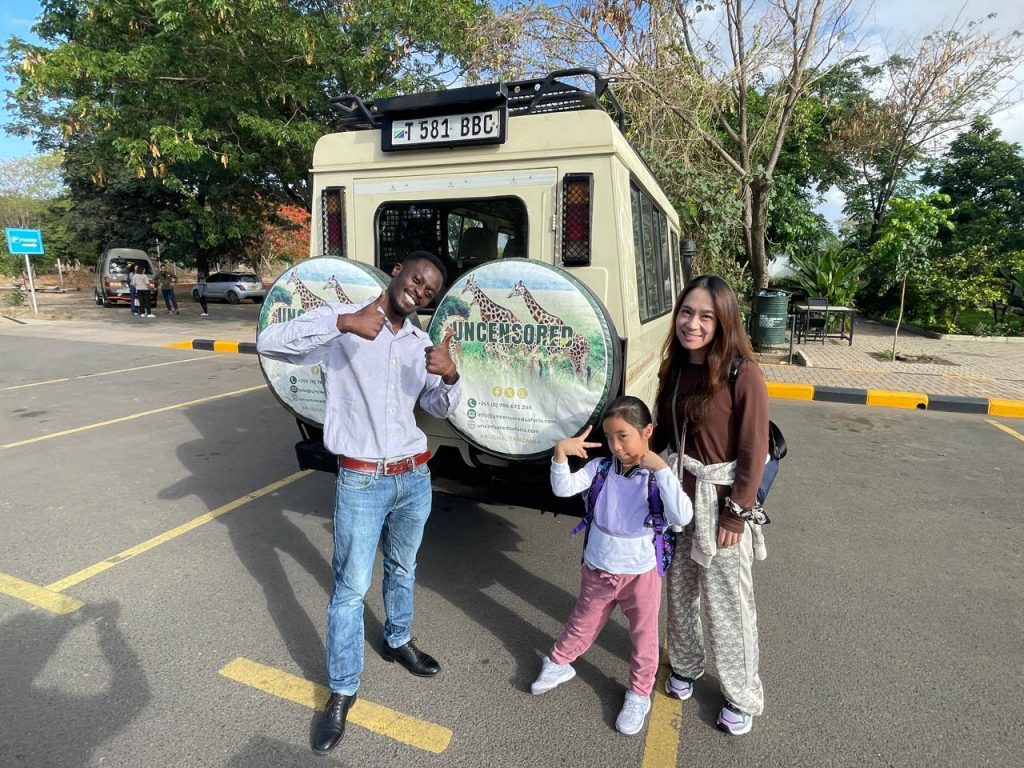
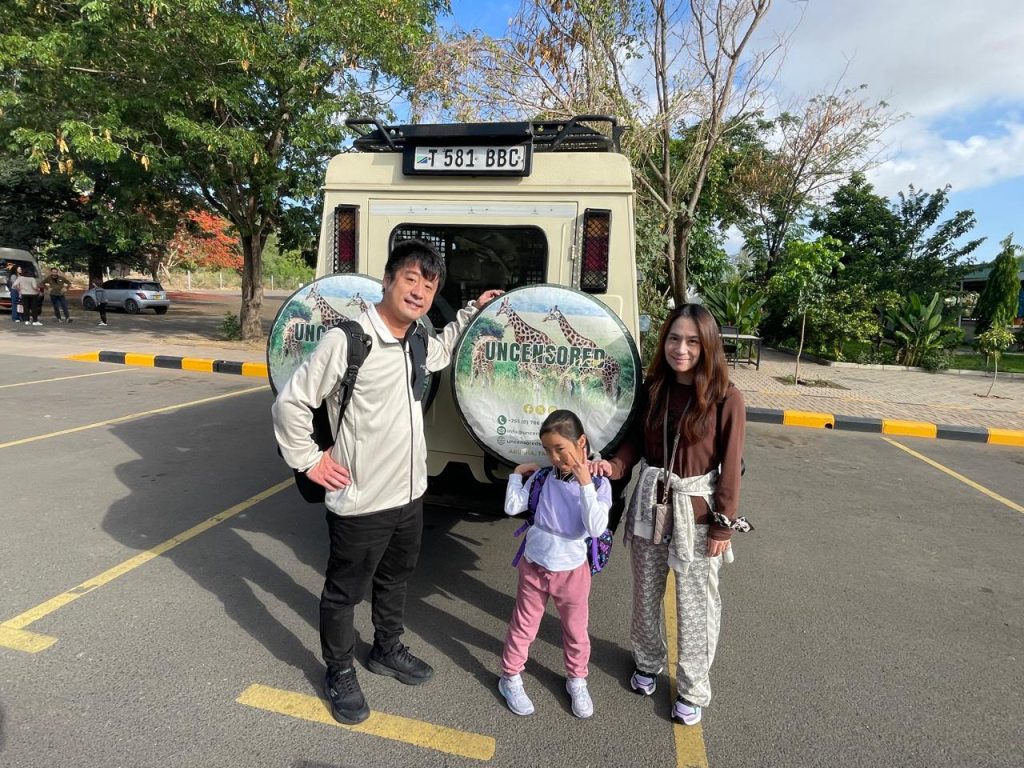
1. Choosing the Right Safari Lodge: Fenced vs. Unfenced
Where you sleep matters immensely when traveling with kids. Safari accommodations generally fall into two categories:
Unfenced Camps (Best for Older Kids / Teens): These properties have zero barriers between your tent and the wilderness. Animals can, and do, walk right through the camp at night. Most unfenced camps have strict age policies (often banning children under 12) because a wandering child can easily trigger a predator’s hunting instinct.
Fenced Lodges (Essential for Young Children): These properties are enclosed by secure, low-visibility electric fences that keep large wildlife out of the main grounds. Children can safely walk from the dining area to your room without the risk of stumbling into an elephant or a hyena.
🛑 The Golden Rule for Lodges: Regardless of fencing, never let your children walk alone at night. Always use the lodge’s armed escorts (askaris) to walk you to and from your rooms after sunset.
2. In-Vehicle Safety Rules During Game Drives
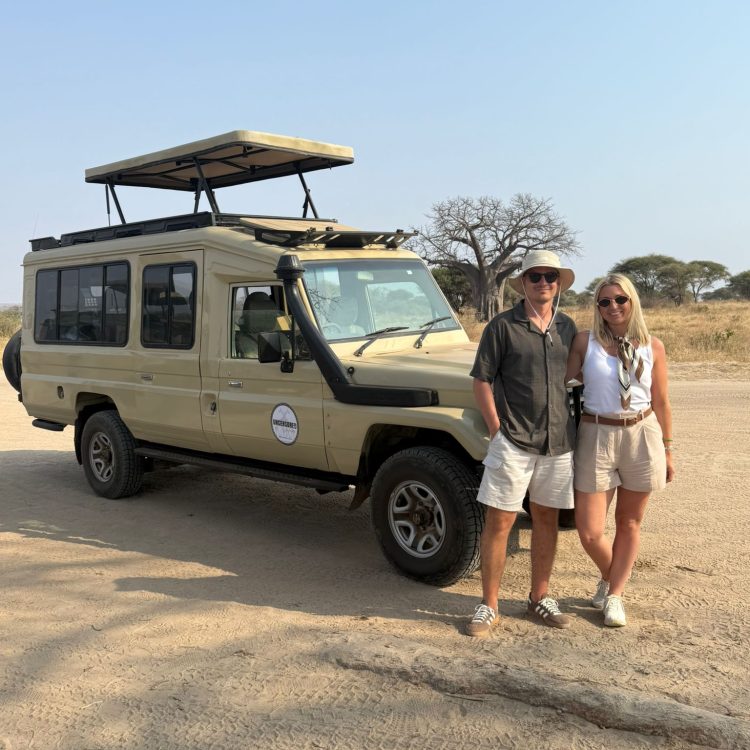
Your custom 4×4 safari Land Cruiser is a safe bubble, but only if your children follow strict behavioral rules inside the vehicle.
Sit Still and Stay Inside: Children must remain seated while the vehicle is moving. Safari tracks are rugged, bumpy, and full of unexpected potholes; standing up while driving can easily cause a fall or injury.
Keep Limbs Inside: No hands, arms, or heads should ever extend outside the open windows or popup roof. To a wild predator, a safari vehicle is seen as one large, harmless object. The moment a human arm extends outside that frame, the silhouette breaks, and a predator recognizes it as individual prey.
Keep Voices Low: Loud, high-pitched screams can startle wildlife, causing an animal to charge the vehicle or run away. Teach your children to use quiet “safari whispers” when animals are nearby.
3. Managing Wildlife Encounters on Foot
While most of your trip happens inside a vehicle, you will occasionally step out at designated picnic spots, viewpoints, or during bathroom breaks.
Listen to Your Guide: Your driver-guide is the ultimate authority. If they tell everyone to get back into the car immediately, do it without question or delay.
Never Run: This is the most crucial piece of advice you can give a child. Running triggers a universal chase instinct in almost every African predator (lions, leopards, cheetahs, and hyenas). Even if an animal moves toward you, stay calm and back away slowly as instructed by your guide.
Watch the Small Stuff: Kids love looking at bugs and picking up rocks. Remind them never to stick their hands into dark rock crevices, hollow logs, or thick bushes where scorpions, spiders, or snakes might be hiding.
4. Medical Preparations and Health Safety
A safe safari starts weeks before you depart with proper health precautions.
Malaria Prophylactics: Most prime wildlife areas sit in malaria-risk zones. Consult a specialized travel clinic well in advance to get age-appropriate pediatric malaria preventative medication.
Tsetse Fly Protection: Certain bush areas contain tsetse flies, which carry a painful bite. Avoid dressing your kids in dark blue or black clothing, as these specific shades actively attract them. Stick to light khakis, olive greens, and beige colors.
Sun and Hydration: The equatorial sun is intense. Pack high-SPF children’s sunscreen, wide-brimmed hats, and ensure they are constantly drinking bottled water inside the vehicle to prevent heat exhaustion.
5. Pacing the Itinerary to Avoid “Safari Fatigue”
A tired, cranky child is easily distracted and less likely to listen to safety instructions.
Limit Drive Times: Avoid booking itineraries that require 5 to 6 hours of driving between parks. Instead, focus your trip on one or two highly productive areas (like combining Tarangire and the Ngorongoro Crater) to keep car time manageable.
Book Private Vehicles: If your budget allows, book a private safari vehicle for your family. This gives you complete control over your schedule. If the kids get tired, hot, or restless, you can head back to the lodge early without impacting other tourists’ holiday experiences.
🚐 Planning a family safari? We specialize in designing safe, slow-paced, child-friendly Tanzanian safaris with expert guides who know exactly how to look after young adventurers. Contact us today to customize your family trip!